Wondering whether Milton feels more like a front-porch town or a newer planned community market? The answer is both, and that is exactly what makes this area so appealing to different kinds of buyers. If you are comparing historic streets near downtown with newer neighborhoods in the Milton and Lewes corridor, this guide will help you sort through lifestyle, costs, rules, and tradeoffs so you can focus on the right fit. Let’s dive in.
Milton Neighborhoods at a Glance
Milton generally gives you two very different housing paths. One is the preserved in-town core, centered around the historic district. The other is a group of newer planned communities outside the traditional downtown setting, including places like The Granary, Heritage Creek, and the Villages at Red Mill Pond.
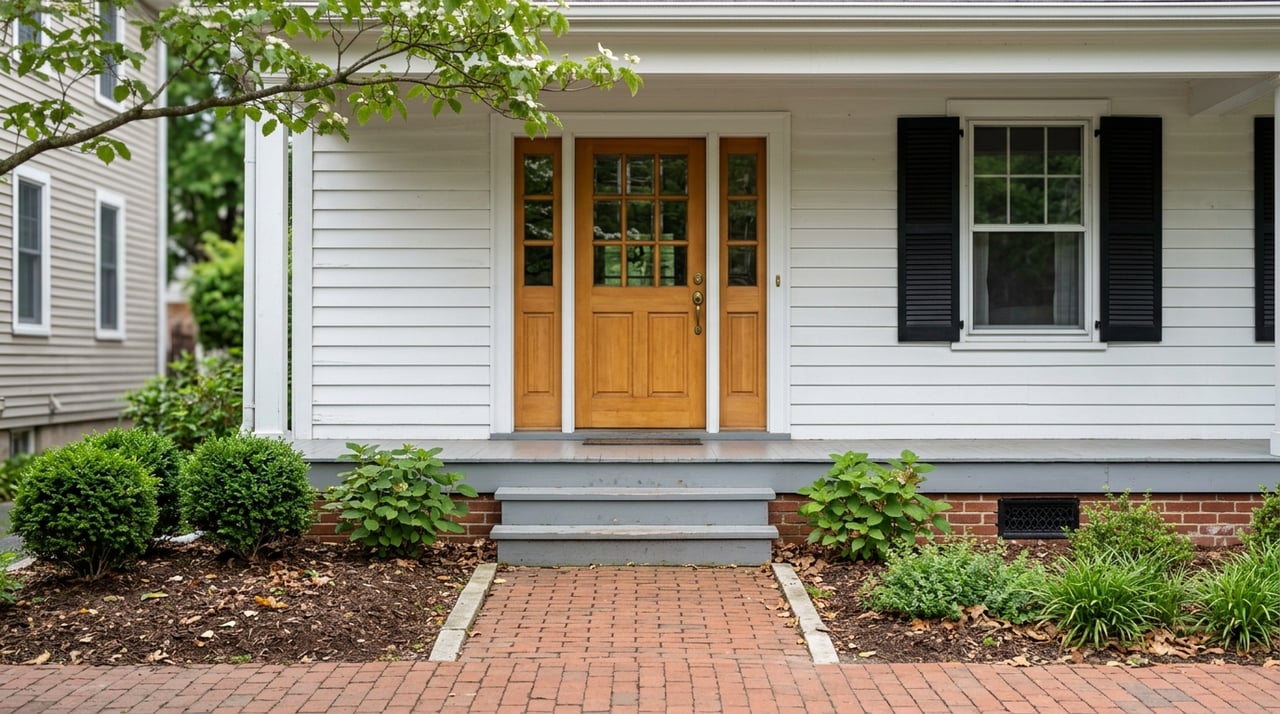
That split matters because the day-to-day experience can feel very different. In-town homes often offer older architecture, walkable streets, and close access to parks and town events, while newer communities tend to focus on open floor plans, garages, shared amenities, and more structured maintenance.
Historic Milton Streets
The historic district runs roughly along DE 5 and includes streets such as Union, Federal, Chestnut, Broad, and Mill. According to the National Register nomination, this area holds much of Milton’s surviving 18th-, 19th-, and early-20th-century architecture.
You will see some variation even within the historic core. Earlier buildings are more common along Broad and Mill Streets, while larger and more ornate late-19th- and early-20th-century homes are concentrated on Union and Federal Streets.
For many buyers, the appeal is simple. You get character, a town-center setting, and a streetscape that feels rooted in Milton’s history.
What daily life feels like downtown
If you want to be close to public spaces and town amenities, the in-town core stands out. Milton highlights Memorial Park and Mill Park as public amenities, and Memorial Park includes a playground, picnic facilities, a gazebo, a small marina, and a boat launch on the Broadkill.
This can be a great fit if you enjoy a more walkable routine. You may be able to spend less time driving and more time enjoying the town setting, especially if being near parks and local events is a priority.
What to know before buying a historic home
Historic homes come with a different kind of ownership experience. In Milton’s Historic Preservation Overlay District, exterior changes such as additions, demolition, signs, and other visible alterations may require review.
That means your freedom to change porches, windows, accessory structures, and other exterior features is more limited than it would be in a standard subdivision. Some minor repairs and certain paint-color changes may not require review, but the overall process is still more prescriptive.
For some buyers, that structure helps protect the look and continuity of the area. For others, it can feel restrictive, especially if you want to make major exterior updates after closing.
Parking and flood checks matter
Downtown convenience does come with practical tradeoffs. Residents had identified on-street parking in the center of town as a travel concern, and the town later opened a new public lot at Union and Magnolia.
Flood risk also deserves careful attention in the river-adjacent core. DNREC and the town’s predictive analysis show that the Broadkill has repeatedly flooded Milton’s town center, and the town report says 10% to 25% of historic-district parcels may be or already are affected across future sea-level-rise scenarios.
If you are considering a home near the Broadkill or in the downtown core, parcel-level due diligence is essential. This is one of those details that can affect insurance, comfort, and long-term planning.
New-Build Milton Communities
If historic homes are not your style, Milton also offers strong newer-build options. These communities usually appeal to buyers who want modern layouts, community amenities, and a more predictable maintenance setup.
Instead of preservation review, the biggest questions often shift to HOA fees, amenity access, exterior maintenance expectations, and commute patterns. That can make the decision feel more straightforward for buyers who want a newer home experience.
The Granary
The Granary is the most ambitious master-planned example in the Milton area. Official community materials describe about 1,350 homes in a mix of single-family residences and townhomes.
The plan emphasizes modern farmhouse styling, open floor plans, and a large amenity package. Features include 110 acres of open space, multiple pools, sports courts, playgrounds, an amphitheater, a food-truck park, and a farmers market.
Location is a major selling point here. The community is presented as about 5 minutes from downtown Milton and roughly 10 to 15 miles from Broadkill, Lewes, and Rehoboth beaches.
Still, buyers should ask detailed questions before assuming every feature will arrive exactly as shown in marketing. The developer notes that materials and amenities are conceptual and may change during regulatory review, so phase-by-phase details can be moving targets.
There is also a cost question worth clarifying early. The town’s Special Development District resolution suggests a layered charge structure, so you will want to ask whether related costs appear on the tax bill, the HOA statement, or both.
Heritage Creek
Heritage Creek is a good example of a newer community with a Milton-inspired design approach. Community materials say it sits between Routes 1, 9, and 113 and is about 12 miles from Lewes and 16 miles from Rehoboth.
Amenities include a clubhouse, pool, fitness center, and walking trails. Builder materials also highlight features that many buyers want in newer homes, such as first-floor owner suites, full basements, natural gas, granite counters, and two-car garages.
The design language is meant to echo downtown Milton with Craftsman- and Victorian-inspired details and a tree-lined boulevard. That can be appealing if you want a newer home without giving up all architectural character.
From a budget standpoint, current pricing snapshots help frame expectations. The carriage-home page starts at $418,900, and a listing for 201 Lantern Lane showed a 2020 townhouse at $482,500 with HOA services that included clubhouse access, fitness center, pool, lawn care, and snow removal.
Villages at Red Mill Pond
The Villages at Red Mill Pond is best viewed as a Milton-area comparison point rather than a neighborhood within Milton town limits. It is a beach-corridor benchmark for buyers who want pond access and easier access toward Lewes.
Community materials describe a 250-acre neighborhood with just over 520 homes, though the exact total should be treated as approximate. Features include a renovated clubhouse, kayak launch, and direct connection to the Lewes-to-Georgetown Bike Trail.
For buyers comparing newer construction options, this community helps illustrate a different lifestyle emphasis. It leans more toward pond access and beach-corridor convenience than town-center living.
Historic vs New Build
Choosing between Milton’s older core and its newer communities usually comes down to how you want to live, not just what style of home you like. Here is a simple side-by-side look.
| Feature | Historic Core | Newer Communities |
|---|---|---|
| Setting | In-town, downtown-adjacent | Planned neighborhood setting |
| Home style | 18th- to early-20th-century homes | Newer single-family homes, townhomes, or carriage homes |
| Main appeal | Character and walkability | Modern layouts and amenities |
| Exterior rules | Historic preservation review | HOA and community standards |
| Costs to watch | Renovation needs, parking, flood due diligence | HOA dues, amenity costs, possible special district charges |
| Best fit | Buyers who want town-center living | Buyers who want lower-maintenance routines |
Price Does Not Follow Age Alone
One of the biggest misconceptions in Milton is that older homes will automatically cost less than newer ones. Current listing snapshots do not support that idea.
A restored 1887 home on Broad Street was listed at $475,000, while a renovated 1860 home on Federal Street was listed at $685,000. On the newer-home side, the Heritage Creek townhouse at 201 Lantern Lane was listed at $482,500.
The lesson is that age alone does not predict value. Finish level, lot size, parking, location, and fee structure can all matter just as much.
Costs and Maintenance
Budget planning looks different depending on which side of Milton you choose. In the historic core, the big issue is usually not a clubhouse fee. It is the cost and process of maintaining an older property within preservation rules.
In newer communities, the cost profile often shifts toward recurring association charges. Those fees may support amenities like pools, trails, landscaping, snow removal, and common-area upkeep.
If you are comparing options, ask a very practical question early: where do the charges show up? In some cases, costs may appear on an HOA statement, a tax bill, or both.
Questions to Ask Yourself
Before you narrow your search, it helps to be honest about what matters most in your daily routine. A few questions usually make the right path much clearer.
- Do you want to walk to parks, town events, and the center of Milton?
- Would you rather have a clubhouse, pool, trails, and managed common areas?
- How much flexibility do you want for exterior changes like porches, fencing, sheds, or additions?
- Are you comfortable doing a detailed flood-risk check for homes near the Broadkill or downtown?
- Is your commute centered on Milton, Route 1, Lewes, or Rehoboth?
- Do you care more about historic character or newer floor plans and garages?
Which Milton Neighborhood Type Fits You?
If you picture yourself enjoying a classic town setting, older architecture, and close access to downtown amenities, the historic core may feel like the natural fit. If you want the shortest path to downtown life with newer construction, The Granary is also worth close attention.
If you prefer a more suburban feel with predictable upkeep and stronger amenity packages, Heritage Creek offers one of the clearest examples. If beach-corridor convenience and pond access matter more than being near town center, the Villages at Red Mill Pond can be a strong benchmark for comparison.
The best choice usually comes down to how you want your home to support your routine. When you compare flood exposure, parking, exterior-rule flexibility, and ongoing fees side by side, the right answer becomes much easier to see.
Milton gives you real variety, which is a good thing when you are trying to match a home to your goals. If you want help sorting through historic homes, newer communities, HOA details, or the tradeoffs between downtown living and beach-corridor convenience, Denise Karas can help you evaluate your options step by step.
FAQs
What is the difference between historic and new-build neighborhoods in Milton, DE?
- Historic Milton neighborhoods focus on older architecture, walkability, and town-center living, while newer Milton-area communities emphasize modern floor plans, garages, shared amenities, and more structured maintenance.
What streets are part of Milton’s historic core?
- The core historic streetscape includes Union, Federal, Chestnut, Broad, and Mill Streets, which contain much of Milton’s surviving 18th-, 19th-, and early-20th-century housing stock.
What should buyers know about renovation rules in Milton’s historic district?
- Buyers should know that demolition, additions, signs, and many exterior alterations may require review under the Historic Preservation Overlay District, so exterior change flexibility is more limited than in a typical subdivision.
What amenities do newer Milton communities offer?
- Depending on the community, buyers may find features such as pools, clubhouses, fitness centers, trails, sports courts, playgrounds, open space, lawn care, and snow removal.
Are older homes in Milton cheaper than newer homes?
- Not necessarily. Recent listing snapshots show renovated historic homes can overlap with or exceed the pricing of newer planned-community homes depending on finish level, lot size, parking, and fee structure.
Why is flood due diligence important when buying in Milton, DE?
- Flood due diligence matters because the Broadkill has repeatedly flooded Milton’s town center, and town analysis shows that a share of historic-district parcels may be affected across future sea-level-rise scenarios.